
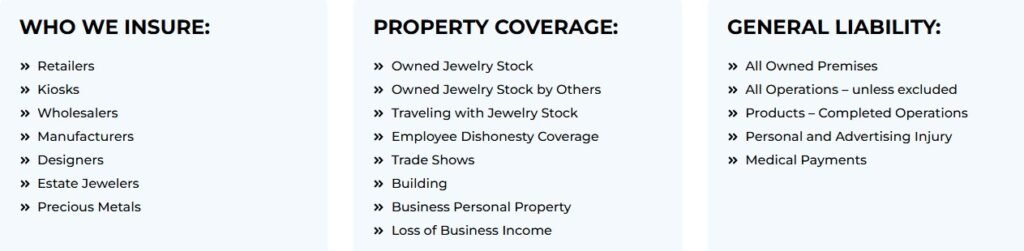
Jewelers block insurance is one of the most important protections a jewelry business can carry. Whether you operate a retail jewelry store, manufacture custom pieces, sell wholesale, or travel with valuable inventory, your business faces risks far beyond those of a typical retailer. Standard business insurance policies are not designed to handle high-value merchandise like diamonds, gold, gemstones, and luxury watches. That’s where jewelers block insurance becomes essential.
This guide explains what jewelers block insurance is, how it works, what it covers, and why nearly every jewelry business needs it.
What Is Jewelers Block Insurance?
Jewelers block insurance is a specialized commercial insurance policy designed specifically for businesses that buy, sell, manufacture, repair, or transport jewelry and precious items. It provides broad coverage for high-value inventory against theft, damage, and loss—both inside and outside the business premises.
Unlike general property insurance or a Business Owners Policy (BOP), jewelers block insurance accounts for the unique risks of the jewelry industry, including robbery, burglary, shipping losses, and employee dishonesty.
Who Needs Jewelers Block Insurance?
Jewelers block insurance is not limited to retail jewelry stores. It is commonly used by:
- Retail jewelry stores
- Wholesale jewelers
- Jewelry manufacturers
- Custom designers
- Watch dealers
- Pawnbrokers handling jewelry
- Jewelry repair and appraisal shops
- Consignment jewelers
- Traveling jewelry sales representatives
If your business handles valuable jewelry at any stage—from sourcing to sale—you likely need jewelers block coverage.
Why Standard Business Insurance Isn’t Enough
Traditional commercial property insurance often has strict sublimits or exclusions for jewelry, precious metals, and gemstones. Many policies cap coverage at a few thousand dollars, which is inadequate when a single ring or watch can be worth tens of thousands of dollars.
Jewelers block insurance is designed to:
- Cover full inventory values
- Protect items during transit
- Insure goods at trade shows and exhibitions
- Address theft methods common in the jewelry industry
Without it, a single loss could threaten the financial stability of your business.
What Does Jewelers Block Insurance Cover?
Coverage varies by insurer, but most jewelers block policies include the following core protections:
1. Inventory Inside the Premises
Coverage for jewelry stock stored or displayed inside your business location, including:
- Diamonds and gemstones
- Gold, platinum, and precious metals
- Finished jewelry
- Luxury watches
- Loose stones and works in progress
This protection applies to losses caused by theft, fire, water damage, and other covered perils.
2. Property Outside the Premises
One of the most valuable features of jewelers block insurance is off-premises coverage, which may include:
- Inventory carried by traveling salespeople
- Jewelry taken to trade shows or exhibitions
- Items being shown to clients
- Property temporarily stored at another insured location
This coverage is critical for wholesalers, designers, and reps who frequently travel with inventory.
3. Shipping and Transit Coverage
Most jewelers block policies cover jewelry while in transit via:
- Armored carriers (such as Brinks or Malca-Amit)
- Registered or insured mail
- Approved couriers
This protects against loss, theft, or damage during shipping.
4. Customer Property Coverage
Jewelers block insurance typically covers customer-owned items left in your care for:
- Repairs
- Cleaning
- Appraisals
- Resizing
- Custom work
If a customer’s jewelry is damaged or stolen while in your possession, the policy helps cover the loss.
5. Theft and Crime Coverage
Common theft-related protections include:
- Robbery (including armed robbery)
- Burglary
- Smash-and-grab incidents
- Grab-and-run theft
- Mysterious disappearance (often limited)
Many policies also offer optional coverage for employee dishonesty.
What Jewelers Block Insurance Typically Excludes
While coverage is broad, jewelers block insurance does have exclusions. Common exclusions include:
- Unattended vehicle theft
- Wear and tear
- Fraud or scams involving voluntary parting
- Cybercrime and wire fraud (unless endorsed)
- Losses caused by failure to follow security requirements
Understanding exclusions is just as important as knowing what is covered.
Security Requirements and Compliance
Because of the high risk involved, insurers impose strict security requirements. These may include:
- UL-rated safes or vaults
- Burglar and fire alarm systems
- Video surveillance
- Secure display cases
- Controlled access systems
- Overnight storage protocols
Failure to follow security warranties can result in denied claims, so compliance is critical.
How Jewelers Block Insurance Premiums Are Calculated
Premiums vary widely based on risk factors, including:
- Total inventory value
- Business location and crime rate
- Type of jewelry business
- Security systems and procedures
- Shipping and travel exposure
- Loss history
Annual premiums often range from $3,000 to $50,000 or more, depending on exposure.
Is Jewelers Block Insurance Worth It?
For most jewelry businesses, jewelers block insurance is not optional—it’s essential. The high value of inventory and the frequency of theft incidents make this coverage one of the most important investments a jeweler can make.
Even a single uncovered loss can exceed the cost of years of premiums.
Final Thoughts
Understanding jewelers block insurance helps jewelry business owners make informed decisions about protecting their inventory, customers, and financial future. With coverage that extends beyond the premises and addresses industry-specific risks, jewelers block insurance provides peace of mind in an industry where losses can be sudden and severe.
If you operate any type of jewelry business, securing the right jewelers block policy is a foundational step toward long-term success.