
Jewelers Block Insurance: Complete Guide to Costs, Coverage, and Protection for Jewelry Businesses
The jewelry industry holds some of the highest-value inventory in retail—diamonds, luxury watches, gemstones, and precious metals worth thousands or even millions. Because these items are small, portable, and highly desirable to criminals, jewelry businesses face constant threats such as theft, burglary, robbery, shipping losses, and even mysterious disappearance. Across the U.S., jewelers experience billions in losses each year due to crime and unexpected events.
Standard business insurance policies rarely cover these high-value risks. That is why jewelers block insurance exists. Built specifically for jewelry retailers, wholesalers, designers, and repair specialists, it protects inventory, goods in transit, and even customer-owned property left for service. Understanding how this coverage works—and what it costs—is essential for protecting your livelihood, inventory, and reputation.
What Is Jewelers Block Insurance?
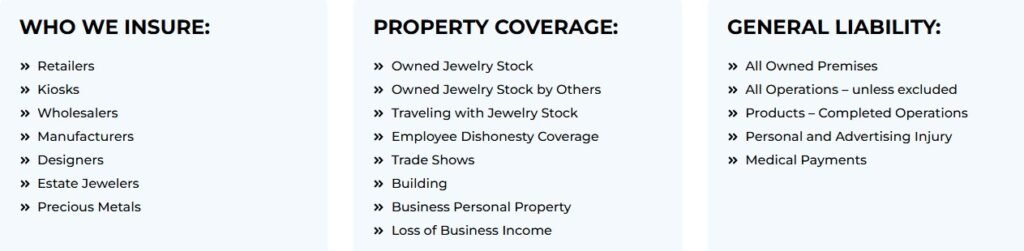
Jewelers block insurance is a specialized commercial insurance policy designed exclusively for the jewelry industry. Unlike general business or property policies, it insures high-value items such as:
Diamonds
Gemstones
Finished jewelry
Luxury watches
Precious metals
This coverage applies whether the merchandise is:
Inside your store
Stored in a vault
Being shipped or transported
Displayed at trade shows
Temporarily held off-site
In your care for repair or appraisal
A key advantage is protection for customer property. When clients leave jewelry for service, cleaning, or appraisal, the jeweler is responsible for its safety. This insurance ensures that if a loss occurs, the business—not the customer—remains financially protected.
Premiums vary based on inventory value, location, security systems, and business operations. While costs can be significant, the financial protection is far greater, especially when a single robbery can wipe out years of profits.
Average Jewelers Block Insurance Cost in the U.S.
Jewelry block insurance pricing varies widely because every business has a different risk profile. On average:
Small to Mid-Sized Jewelry Stores
💲 $3,000–$10,000 per year
High-Value Stores or Wholesalers
💲 $20,000+ per year
Factors that raise premiums include:
Large amounts of diamond inventory
Metropolitan or high-crime locations
Frequent shipping or trade show participation
Past insurance claims
Considering that a single theft can cost $100,000—$1 million or more, the premiums are often a small investment compared to the potential losses.
Why Jewelers Need Specialized Insurance
Running a jewelry store may seem similar to any other retail business, but the underlying risks are far more severe. Jewelers deal with inventory that is:
Extremely valuable
Easy to conceal
Easy to resell
In high demand by thieves
Below are the reasons specialized insurance is absolutely essential.
1. High-Value Inventory Means High Risk
A jewelry store’s inventory can exceed the value of entire retail chains in other industries. One diamond ring might be worth more than a bookstore’s entire stock. Losing a single item could mean a financial hit equal to hundreds of products in other businesses.
Standard business policies often cap jewelry coverage at $2,500–$5,000, which is virtually useless for jewelers. Jewelers block insurance fills this gap with limits tailored to the value of your merchandise.
2. Jewelers Are Frequent Targets for Crime
Jewelry is one of the most stolen retail goods in the world. Common threats include:
Armed robbery
Smash-and-grab burglaries
Employee theft
Shoplifting
Shipment theft
Organized crime rings
Jewelry in transit is especially vulnerable, whether shipped to customers, transported to trade shows, or moved between stores. Specialized insurance includes transit protection—something standard policies almost always exclude.
3. Accidental Damage Happens Often
Jewelry is delicate. Diamonds can chip, gemstones can crack, and watches can be damaged during repair. When customers leave items for service, the jeweler becomes responsible. Jewelers block insurance protects against accidental damage, breakage, and loss of customer-owned property.
4. Standard Business Insurance Falls Short
General commercial insurance policies typically exclude:
High-value jewelry
Property of others
Inventory in transit
Losses during trade shows
Mysterious disappearance
Without special coverage, jewelers face massive financial exposure.
5. It Builds Customer Trust
Customers want reassurance that their valuables are protected when they leave them in your care. Proper insurance:
Builds credibility
Strengthens trust
Reduces legal disputes
Enhances your reputation
In the jewelry industry, trust is everything.
What Jewelers Block Insurance Covers
Coverage varies by insurer, but most policies include protection for:
✔ Theft and Burglary
Coverage for:
Smash-and-grab incidents
Robbery
Shoplifting
Employee dishonesty
Organized crime activity
This is the core of jewelers block protection.
✔ Accidental Damage or Loss
Includes:
Breakage during handling or repair
Damage from cleaning or resizing
Fire damage
Unintentional destruction of inventory
Some natural disasters (like floods) may require separate coverage.
✔ Transit Coverage
Protects jewelry while moving:
To customers
Between store locations
To trade shows
From suppliers or vendors
Transit losses are among the most common claims.
✔ Off-Site and Event Coverage
Covers inventory while:
Displayed at trade shows
Inside temporary showcases
On consignment
In off-site storage
This protects jewelers who travel, exhibit, or rotate inventory.
Factors That Influence Jewelry Insurance Premiums
Insurers evaluate multiple risk factors before calculating premiums. These include:
1. Inventory Value & Type of Merchandise
Higher limits = higher premiums.
Diamond-heavy or luxury watch inventories increase risk.
2. Business Location
High-crime metropolitan areas pay more.
Some insurers require upgraded security for certain ZIP codes.
3. Security Measures
Discounts apply for:
High-security safes
Monitored alarm systems
Keycard access
Employee screening
24/7 video surveillance
4. Goods in Transit
Frequent shipping raises premiums, especially interstate or international transit.
5. Claims History
Past claims significantly increase rates.
6. Size of the Business
Wholesalers and multi-store operations pay more due to higher exposure.
Why Jewelry Block Insurance Is Worth the Cost
Many jewelers hesitate at the price, but one loss can destroy a business.
Example:
A Chicago jeweler lost $500,000 in a single daylight robbery. Without coverage, recovery would have been impossible. With insurance, the business reopened immediately and avoided total financial collapse.
Premiums protect against:
Robbery
Burglary
Fire
Transit losses
Customer property loss
Employee theft
Accidental damage
The value far outweighs the annual cost.
How Jewelers Can Reduce Insurance Premiums
Jewelers can lower premiums by:
Installing upgraded safes
Limiting merchandise in display cases
Improving employee screening
Enhancing alarm and video systems
Maintaining a clean claims record
Using secure shipping carriers
Following insurer-recommended risk management practices
Insurers often offer discounts for proactive loss-prevention measures.
The Impact of E-Commerce on Jewelry Insurance Cost
Online jewelry sales have created new risk categories such as:
Shipping theft
Porch piracy
Fraudulent orders
Lost packages
Because of increased shipping frequency, premiums rise. However, businesses using secure packaging, signature-required delivery, and trusted carriers often qualify for better pricing.
Conclusion
Jewelry businesses in the U.S. face significant risks every day—from theft and burglary to accidental damage and transit losses. Jewelers block insurance provides the comprehensive protection needed to safeguard inventory, customer property, and business operations.
Costs vary based on inventory value, location, shipping activity, and security measures, but the investment is small compared to the financial devastation of an uninsured loss. With proper coverage, jewelers gain:
Peace of mind
Stronger customer trust
Financial stability
Long-term business protection
By investing in specialized insurance and maintaining strong security protocols, jewelers can protect their livelihood and keep insurance costs manageable.