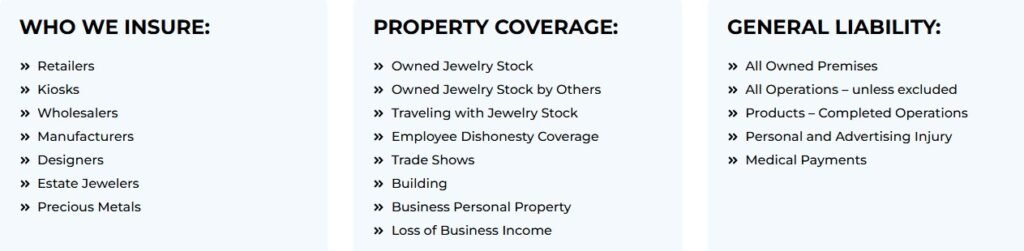
Jewelry store owners face unique risks, including high-value inventory, customer liability, and operational exposures. Understanding the differences between jewelers block insurance and general liability is essential for building a strong Jewelry Store Insurance plan. Reviewing a Jewelry Store Insurance quote ensures your coverage protects both your business and your assets effectively.
Knowing how these policies complement each other allows owners to make informed decisions and avoid gaps in coverage.
1. What Jewelers Block Insurance Covers
Jewelers block insurance is specialised coverage for high-value inventory such as diamonds, gold, and precious stones. It protects your assets against theft, mysterious disappearance, and transit risks, whether on-premises or off-site.
This coverage is essential for stores that transport jewelry for appraisals, exhibitions, or deliveries, as it ensures protection beyond standard property insurance.
2. What General Liability Insurance Covers
General liability insurance protects your store if a third party experiences bodily injury, property damage, or personal injury related to your operations. For jewelry stores, this is especially important due to high customer traffic and interactions with valuable merchandise.
Typical claims include:
• Slip-and-fall accidents inside the store
• Damage to a customer’s property
• Minor customer injuries or lawsuits
3. How These Policies Work Together
While general liability and jewelers block insurance cover different risks, they complement each other to provide full protection for your jewelry store. General liability handles claims from third parties, such as customer injuries or property damage, while jewelers block insurance protects your high-value inventory from theft, loss, or transit incidents.
Combining these policies ensures that both operational risks and inventory risks are addressed, reducing the chance of financial gaps. Many jewelry store owners also bundle these coverages into a Business Owner’s Policy (BOP) for streamlined management and potential premium savings.
4. Factors Influencing Coverage Needs
Your insurance needs depend on operational risks and store size. Insurers typically assess:
• Inventory value and storage methods
• Customer traffic and interactions
• Claims history
• Security measures and safety protocols
• Business expansion or new services
Regular policy reviews help ensure your coverage keeps pace with your business growth.
REQUEST A FREE QUOTE